Berberine Side Effects: The Honest Answer Most Brands Leave Out
Supplement marketing tends to skip this part. But if you are going to take something every day, you deserve a straight answer: what is common, what is rare, who should avoid it, and how to make it easier on your stomach.
Most supplement pages say nothing about side effects, or bury a line in small print. We think that is the wrong approach, and not only because it is unfair to readers. People who are surprised by a side effect stop taking a product; people who were told what to expect usually carry on.
So here is the straight answer about berberine, based on what the clinical research actually shows.
The most common side effect: your stomach
Across clinical trials, the most frequently reported side effects of berberine are digestive: nausea, cramping, loose stools, constipation or wind. They are usually mild, and they tend to appear in the first week or two rather than building up over time.
The reason is fairly well understood. Berberine is poorly absorbed, so most of each dose stays in the gut, where it acts on gut bacteria as part of how it works. That same activity is thought to be behind the digestive symptoms some people notice.
People who are surprised by a side effect stop taking a product; people who were told what to expect usually carry on.
What the largest review found
A 2022 systematic review and meta-analysis in Frontiers in Pharmacology pooled 37 randomised controlled trials involving 3,048 people with type 2 diabetes. Berberine — alone or combined with diabetes medicines — did not significantly increase the overall rate of adverse events or the risk of low blood sugar compared with control groups.
An earlier meta-analysis of 27 trials, published in the Journal of Ethnopharmacology in 2015, likewise reported no serious side effects. That is what researchers mean by a “favourable safety profile”: no pattern of serious harm, with mostly mild, digestive, dose-related effects. It does not mean no side effects at all.
How to make it easier
Most digestive symptoms can be reduced with a few simple habits:
- Always take berberine with a meal, never on an empty stomach.
- Split the dose across the day rather than taking it all at once.
- Consider one capsule a day for the first week before moving to two.
- Give your gut a week or two to adjust before judging; symptoms usually ease.
Medicine interactions
Berberine lowers blood sugar, so taking it with diabetes medicines can push levels too low. It can also lower blood pressure modestly.
Less obviously, berberine affects how the liver breaks down some medicines. A 2012 study in the European Journal of Clinical Pharmacology found that repeated doses of berberine inhibited several cytochrome P450 enzymes in healthy volunteers — enzymes that process a long list of prescription drugs. That is why anyone on regular medication should check with their doctor or pharmacist first.
Who should not take berberine
Berberine is not suitable for everyone. Avoid it, or take it only under medical supervision, if you:
- Are pregnant or breastfeeding — berberine is not considered safe for unborn or newborn babies.
- Are giving it to a child.
- Take medicine for diabetes, blood pressure or blood thinning (such as warfarin).
- Take any regular prescription medicine that your doctor has not checked against berberine.
- Have liver or kidney disease.
Some “side effects” are really quality problems
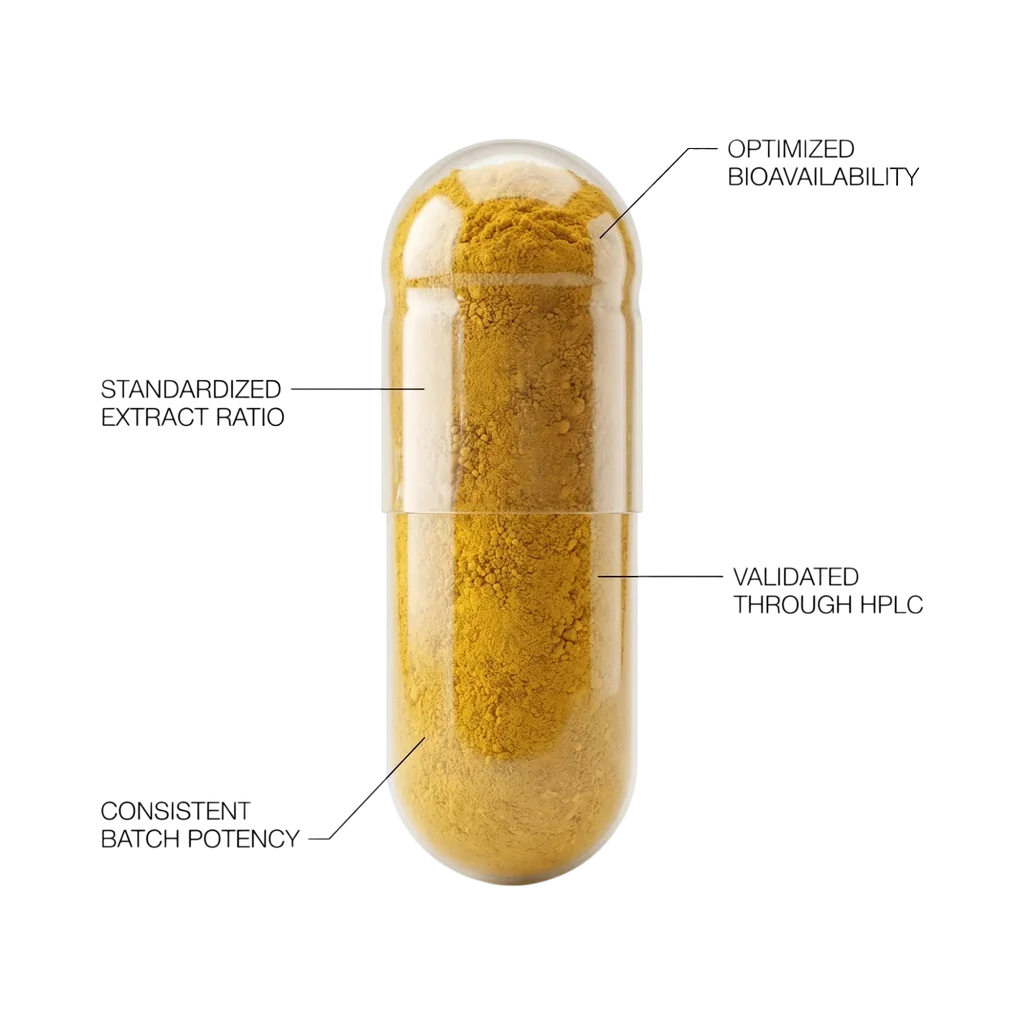
There is one more source of trouble the trials do not capture: the product itself. Berberine supplements are extracted from a farmed root, and a poorly controlled extract can contain pesticide residues, heavy metals or microbial contamination — none of which appear on a label.
The trials used defined, tested material. To get something comparable, check any product for these five things.
A sensible way to start
If berberine is appropriate for you, start with one 500 mg capsule with your main meal for a week, then move to 500 mg with breakfast and 500 mg with dinner — the kind of range used in trials. Stop and speak to a doctor if you notice anything beyond mild, short-lived digestive upset.
The bottom line
Berberine is well tolerated in clinical research, but it is not side-effect free. Expect possible mild stomach upset early on, take it with food, and check with your doctor if you take any medicine or are pregnant or breastfeeding. And choose a product whose testing you can read, so the only thing in the capsule is what you meant to take.
Reader questions
What is the most common berberine side effect?
Digestive symptoms such as nausea, cramping, loose stools or constipation — usually mild and most noticeable in the first week or two.
Does berberine cause low blood sugar?
On its own, a large 2022 meta-analysis found no significant increase in low blood sugar. The risk rises when it is combined with diabetes medicines, which should be supervised by a doctor.
How do I reduce berberine side effects?
Take it with meals, split the dose across the day, and consider starting with one capsule a day for the first week.
Can I take berberine long term?
Most trials lasted three to six months, so long-term data is more limited. If you plan to take it for longer, review it periodically with your doctor.
Sources
- Xie W et al. — Glucose-lowering effect of berberine on type 2 diabetes: a systematic review and meta-analysis. Frontiers in Pharmacology, 2022.
- Lan J et al. — Meta-analysis of the effect and safety of berberine in the treatment of type 2 diabetes mellitus, hyperlipemia and hypertension. Journal of Ethnopharmacology, 2015.
- Guo Y et al. — Repeated administration of berberine inhibits cytochromes P450 in humans. European Journal of Clinical Pharmacology, 2012.
- Habtemariam S — Berberine pharmacology and the gut microbiota: a hidden therapeutic link. Pharmacological Research, 2020.
More from the Journal

On Metformin and Curious About Berberine? Read This Before You Combine Them

Most of Your Berberine Never Leaves Your Gut. Scientists Think That’s the Point