How to Take Berberine: Dose, Timing and How Long Before It Works
Most questions about berberine are not about whether it works but how to take it. Here is what the clinical trials actually did, the doses, the timing and the length, and how to follow them sensibly.
Berberine is unusual among supplements in that its doses come from clinical trials rather than from marketing. That makes the practical questions, how much, when, and for how long, easier to answer than usual.
This is a guide to what the trials did, and how to translate that into a routine. It is not a substitute for advice from your doctor, especially if you take any medicine.
How much: the doses used in trials
The best-known trials used between 1,000 and 1,500 mg of berberine a day. The 2008 head-to-head study with metformin in the journal Metabolism used 500 mg three times a day. A placebo-controlled trial published the same year in the Journal of Clinical Endocrinology & Metabolism used 1,000 mg a day.
In capsule terms, that is two or three 500 mg capsules a day. More is not better: higher doses were not what the trials tested, and they make stomach upset more likely.
In capsule terms, that is two or three 500 mg capsules a day.
When: with meals, split across the day
Trials split the daily amount into separate doses rather than giving it all at once. Berberine is poorly absorbed, and most of each dose stays in the gut, so a single large dose is both harder on the stomach and further from what was studied.
The practical version is simple: one capsule with breakfast and one with dinner, or one with each main meal if you take three. Take it with food, not on an empty stomach. That is also the single most effective way to reduce nausea and cramping.
- Two capsules a day: one with breakfast, one with dinner.
- Three capsules a day: one with each main meal.
- Not on an empty stomach, and not all at once.
Start gently
Digestive side effects, when they happen, tend to come in the first week or two. Many people start with one capsule a day with their largest meal for the first week, then move to two. If your stomach settles, there is no need to go further.
How long before it works
Most trials measured results after about three months, and that is the right timescale to judge it by. Checking after a week or two tells you little: the trial results you would be comparing yourself with are three-month results.
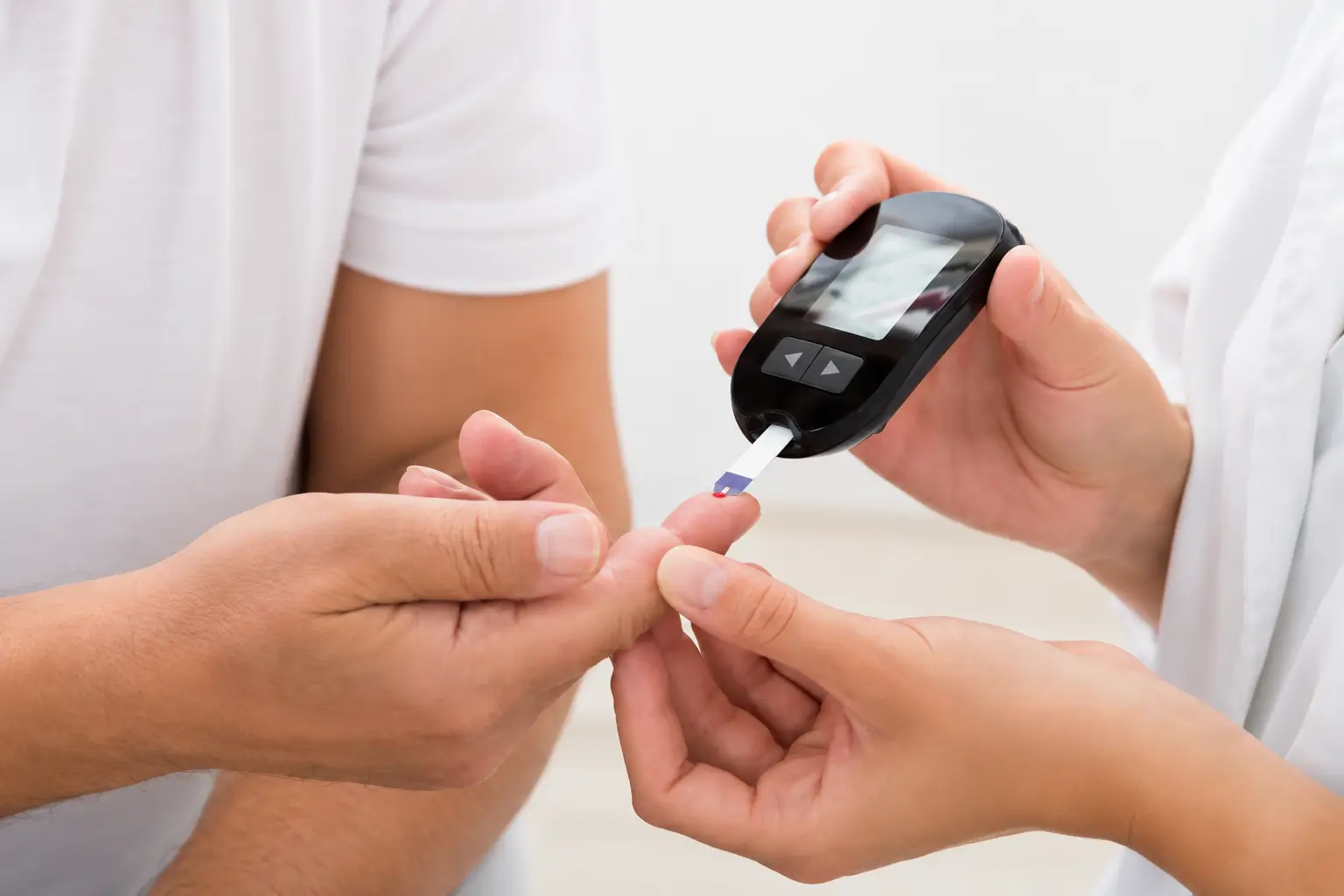
Get a baseline before you start: HbA1c and fasting glucose for blood sugar, and a lipid profile for cholesterol. Then repeat the same tests at around 12 weeks so you are comparing like with like.
Medicines and other supplements
Because berberine lowers blood sugar, combining it with diabetes medicine can push glucose too low. It can also modestly lower blood pressure. And a 2012 study in the European Journal of Clinical Pharmacology found that repeated doses changed how the liver breaks down a number of common medicines.
If you take any regular medicine, ask your doctor or pharmacist before you start, and tell them the dose you plan to take.
How long to keep taking it
Most trials lasted three to six months, so there is less data on taking berberine for years. If you plan to continue beyond that, review it with your doctor, using your three-month results to decide.
A dose only means something if the capsule is what it says
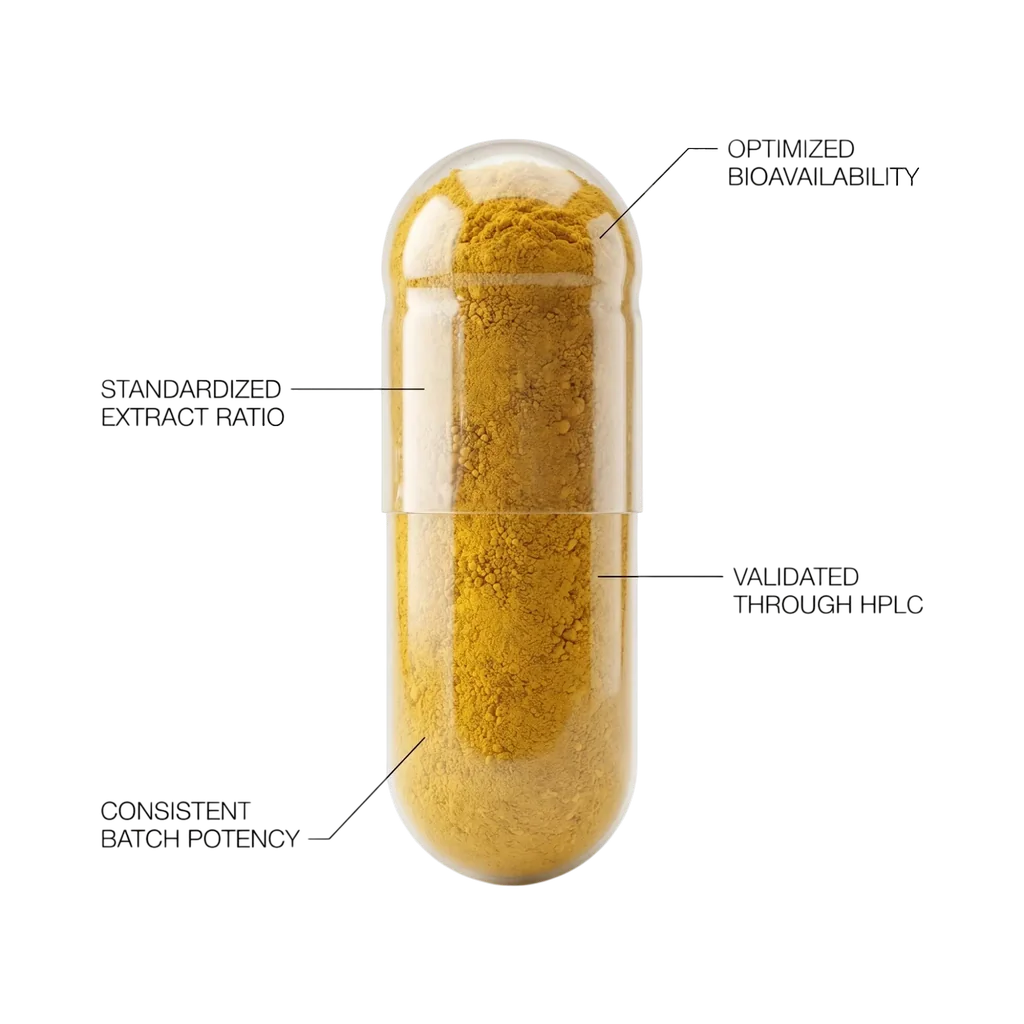
Every number in this article assumes that a 500 mg capsule contains close to 500 mg of berberine. Supplements are not tested the way medicines are, so that is worth checking rather than assuming.
Here are the five things to look for before you buy.
A simple routine
Week one: one 500 mg capsule with your largest meal. From week two: one with breakfast and one with dinner. At 12 weeks: repeat the blood tests you had before starting, and decide with your doctor whether to continue.
The bottom line
Take berberine the way the trials did: 1,000 to 1,500 mg a day, split across meals, for about three months before judging it. Start low, take it with food, and check with your doctor first if you take any medicine.
Reader questions
What is the best time to take berberine?
With meals. Most people take one capsule with breakfast and one with dinner, which matches how trials split the daily dose.
Should I take berberine before or after food?
With food, or straight after starting a meal. Taking it on an empty stomach makes nausea and cramping more likely.
Can I take berberine once a day?
One capsule a day is a reasonable starting point for the first week. The trials, though, used 1,000–1,500 mg a day in divided doses, so a single daily capsule is below what was studied.
How long does berberine take to work?
Trials measured results after about three months. Recheck HbA1c, fasting glucose or your lipid profile at around 12 weeks.
What if I miss a dose?
Take the next one with your next meal as usual. There is no need to double up.
Sources
- Yin J et al. — Efficacy of berberine in patients with type 2 diabetes mellitus. Metabolism, 2008.
- Zhang Y et al. — Treatment of type 2 diabetes and dyslipidemia with the natural plant alkaloid berberine. Journal of Clinical Endocrinology & Metabolism, 2008.
- Xie W et al. — Glucose-lowering effect of berberine on type 2 diabetes: a systematic review and meta-analysis. Frontiers in Pharmacology, 2022.
- Guo Y et al. — Repeated administration of berberine inhibits cytochromes P450 in humans. European Journal of Clinical Pharmacology, 2012.
- Habtemariam S — Berberine pharmacology and the gut microbiota: a hidden therapeutic link. Pharmacological Research, 2020.