Your Sugar Is ‘Borderline’. Here’s What the Research Says About the Years Before a Diagnosis
Prediabetes rarely causes symptoms, which is exactly why most people do nothing about it. But the in-between years are when the body responds best to change. A plain-English guide to what is happening — and where berberine fits.
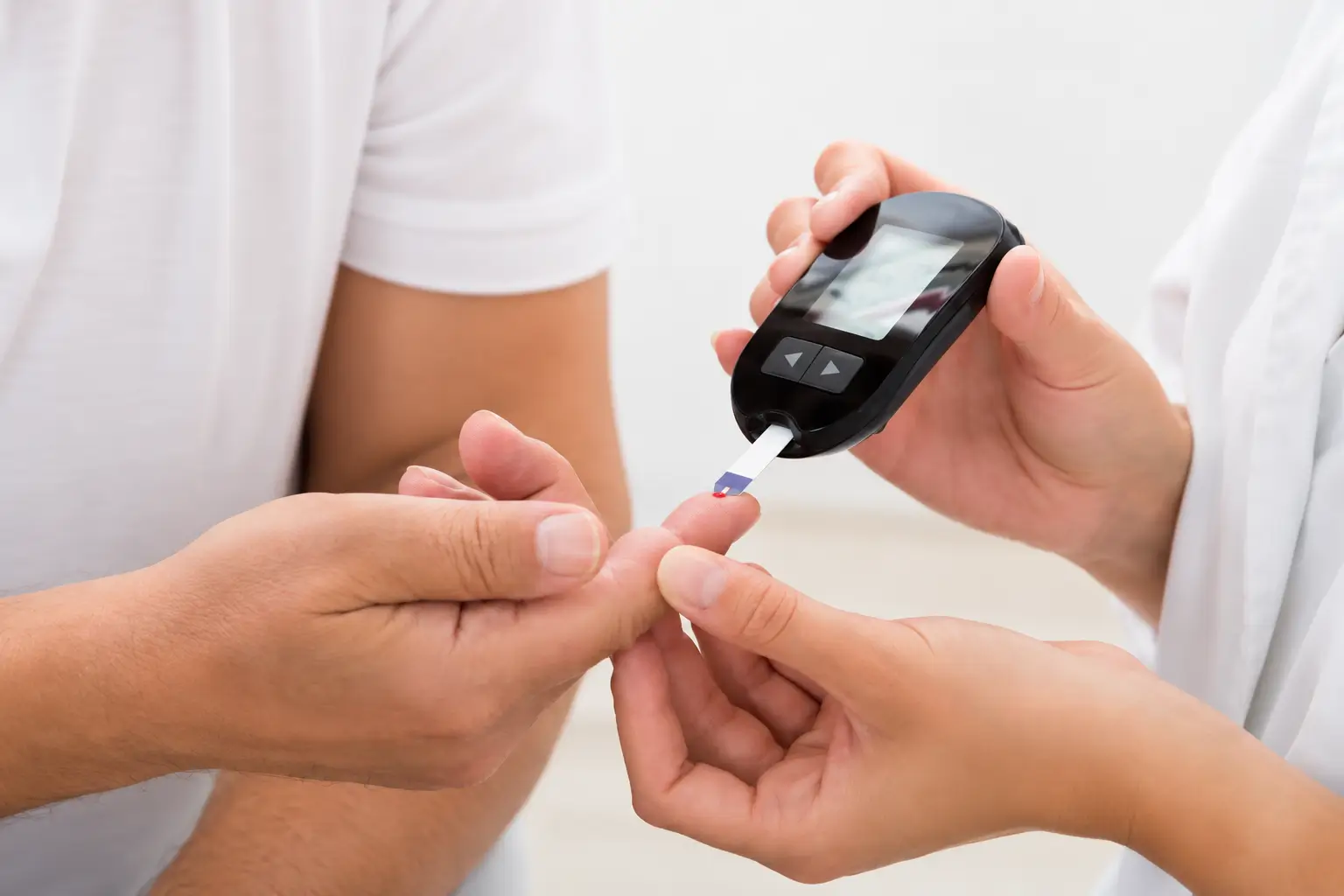
“Your sugar is slightly high. Cut down on sweets and we’ll check again next year.” If you have heard some version of that sentence, you have been told you are in the grey zone: a fasting glucose between 100 and 125 mg/dL, or an HbA1c between 5.7% and 6.4%. The medical term is prediabetes.
It is an easy diagnosis to shrug off, because nothing hurts. But you have a lot of company. India’s national ICMR-INDIAB survey estimated in 2023 that 136 million Indians are in exactly this zone. And a major review in The Lancet noted that, without changes, around 5–10% of people with prediabetes progress to type 2 diabetes each year.
The encouraging part is the other side of that statistic. This is the stage at which the body is most responsive — and the stage at which small, consistent changes have the best evidence behind them.
What is actually going wrong
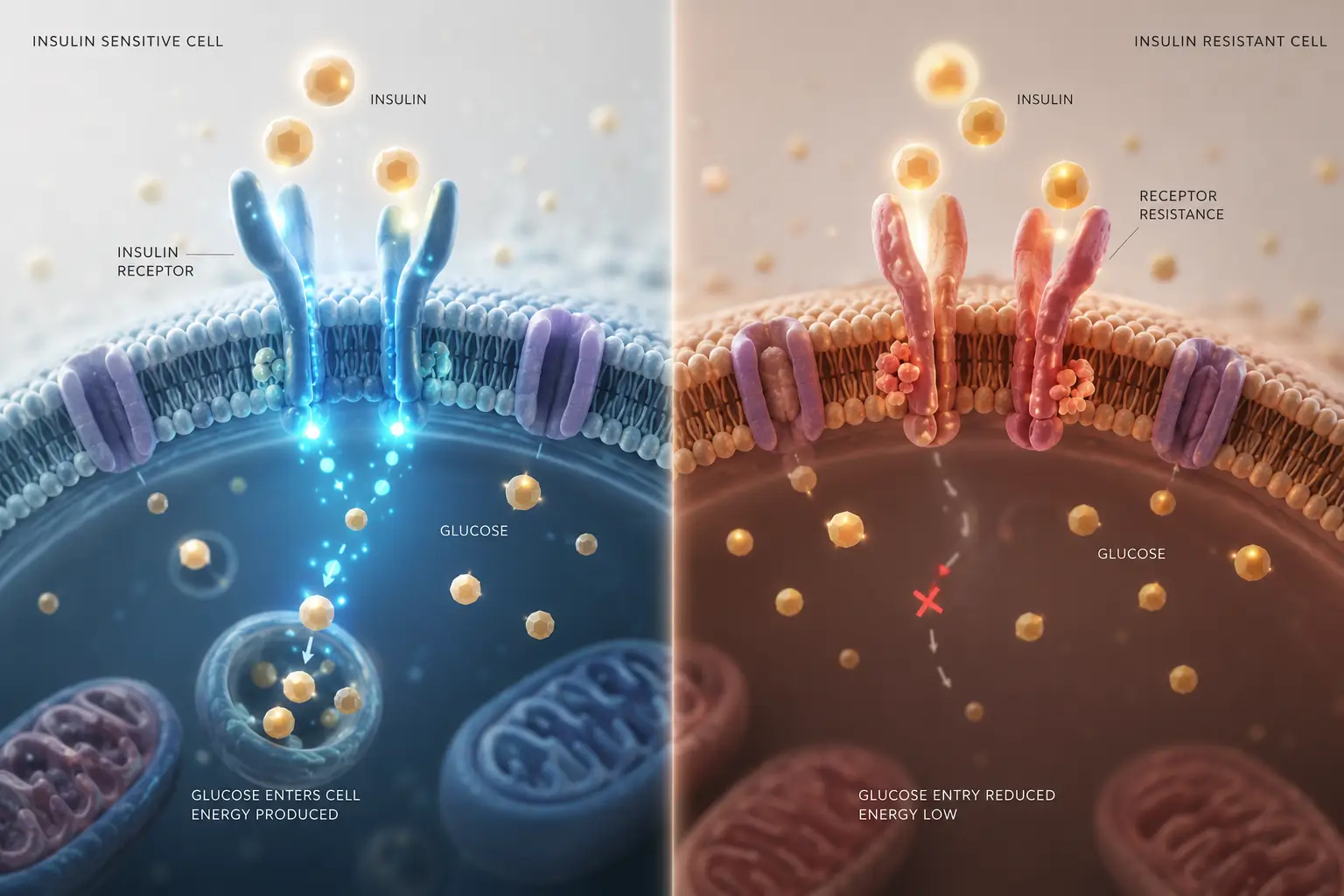
Keeping blood sugar steady is a team effort. Your pancreas releases insulin after a meal. Insulin tells your muscles to absorb glucose and tells your liver to stop making more. Between meals and overnight, the liver releases just enough glucose to keep you going.
In prediabetes, the cells stop listening as well as they used to — a state called insulin resistance. The pancreas compensates by producing more insulin, and for years that extra effort keeps your glucose looking almost normal. By the time the number on the lab report creeps up, the system has usually been under strain for a long time.
That is why “borderline” is not a waiting room. It is a signal that the system is working harder than it should.
“Borderline” is not a waiting room. It is a signal that the system is working harder than it should.
Why the spikes after meals matter
A fasting test measures you at your calmest. It misses what happens after a plate of rice, a cup of sweet chai or a late dinner, when glucose can climb much higher and stay up much longer in someone with insulin resistance.
Continuous glucose monitors have made these post-meal spikes visible to ordinary people for the first time, and researchers increasingly treat them as a target in their own right. Large, repeated spikes are linked to extra stress on blood vessels over time, and to the energy crashes and cravings many people feel a couple of hours after eating.
The unglamorous basics have the best evidence
Before any supplement, it is worth knowing what the strongest study in this area found. In the Diabetes Prevention Program, published in the New England Journal of Medicine in 2002, adults with prediabetes who followed a structured lifestyle programme — about 150 minutes of activity a week and a modest weight loss of around 7% — cut their risk of developing diabetes by 58% compared with placebo. Metformin cut it by 31%.
In other words, the most powerful tool is free. The hard part is doing it consistently. These are the habits with the most support:
- Walk for 10–15 minutes after your largest meals; working muscles pull glucose out of the blood.
- Eat vegetables and protein before the rice or roti on your plate, not after.
- Aim for a steady 5–7% weight loss if you carry extra weight around the middle — not a crash diet.
- Protect your sleep: even a few short nights measurably worsen how your body handles sugar.
Where berberine fits in
Berberine is one of the few supplements with meaningful human research on blood sugar. It works mainly by switching on AMPK, the cell’s energy sensor. A 2006 study in the journal Diabetes showed that AMPK activation by berberine helps muscle cells take in glucose through a route that runs partly independently of insulin — useful precisely when insulin signalling has become sluggish. It also reduces the glucose the liver releases between meals, and a 2010 study in Metabolism found it increases the number of insulin receptors on cells.
The clinical results are measurable. In a 2008 trial in the Journal of Clinical Endocrinology & Metabolism, 116 adults with type 2 diabetes took 1 g of berberine a day or a placebo for three months; in the berberine group, HbA1c fell from 7.5% to 6.6% and fasting glucose from 7.0 to 5.6 mmol/L. A 2012 review of 14 trials found berberine combined with lifestyle change lowered fasting glucose, post-meal glucose and HbA1c more than lifestyle change alone.
Two honest caveats. Most of these trials involved people with diagnosed diabetes, so the evidence in prediabetes is thinner. And berberine works alongside the basics above — it does not replace them.
The tests worth asking for
If you are in the grey zone, a single fasting glucose once a year tells you very little. These give a much fuller picture, and repeating them after three months shows whether what you are doing is working:
- HbA1c — your average blood sugar over roughly three months.
- Fasting glucose and fasting insulin, taken together — they let your doctor estimate insulin resistance (HOMA-IR).
- A lipid profile — triglycerides often rise alongside blood sugar.
Before you add a supplement, check what is in it
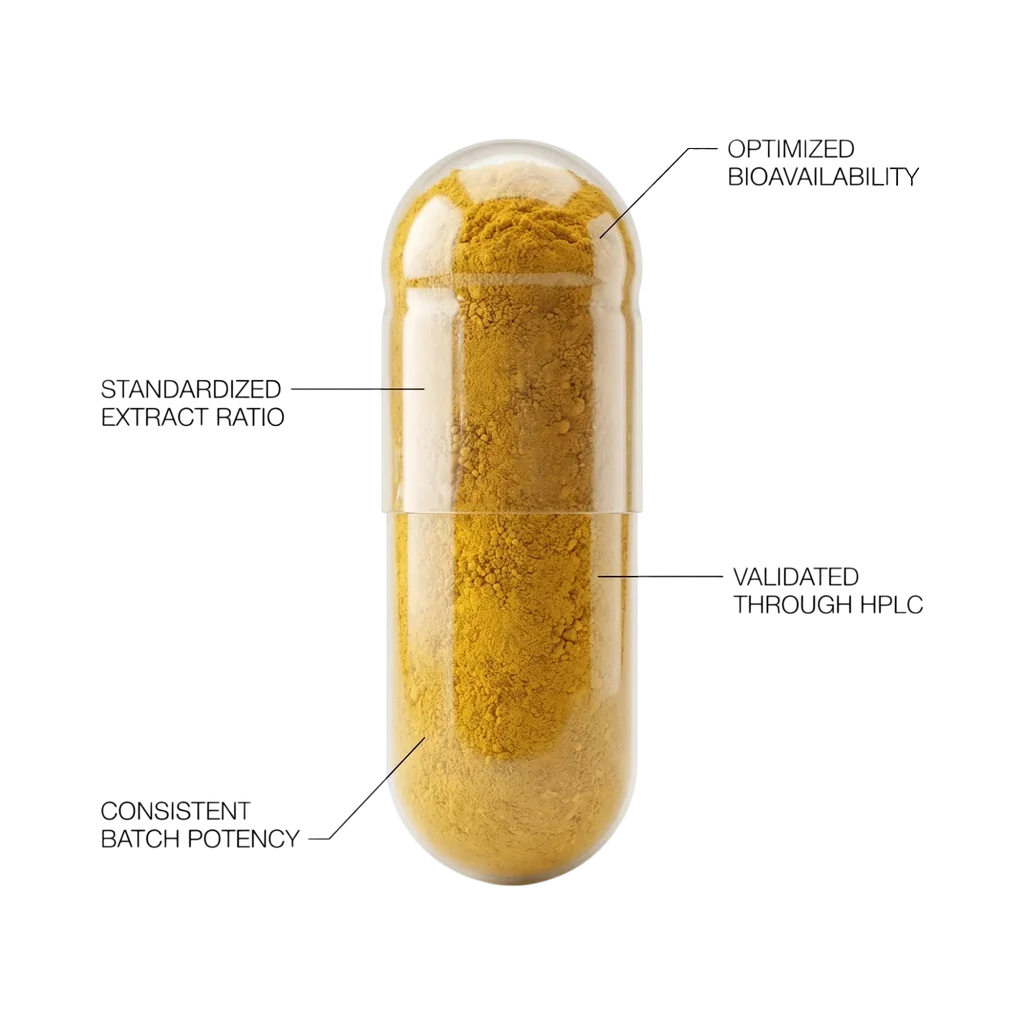
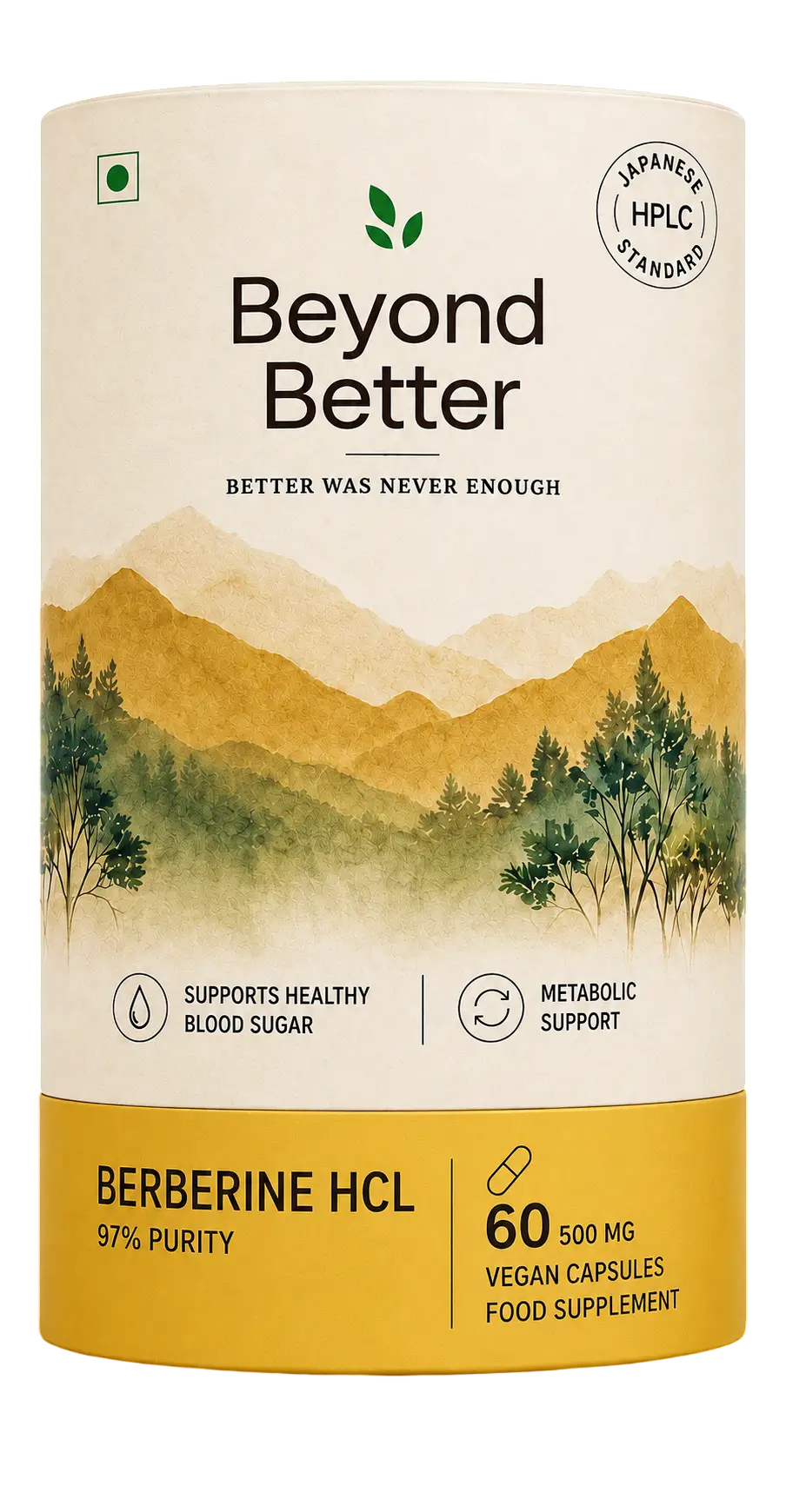
If you and your doctor decide berberine is worth trying, the product matters as much as the decision. The trials above used defined doses of berberine hydrochloride. A capsule that says “500 mg berberine extract” may contain far less of the active compound — and a botanical extract can also carry pesticide residues, heavy metals or microbes from the field it was grown in.
A label cannot tell you any of that. A batch lab report can. Before you buy, check for these five things.
How to take it, if you do
Take berberine with meals, not on an empty stomach. That reduces digestive upset and lines each dose up with the rise in blood sugar after eating. A common routine is 500 mg with breakfast and 500 mg with dinner, within the 900–1,500 mg daily range used in most trials.
Give it about 12 weeks, keep up the walking and the earlier dinners, and then repeat your HbA1c. If you take any medication for blood sugar or blood pressure, talk to your doctor before you start — berberine adds to their effect.
The bottom line
Borderline blood sugar is common, silent and — at this stage — very responsive to change. Movement, food order, weight and sleep carry the strongest evidence. Berberine has some of the best human research of any supplement for supporting healthy glucose metabolism, as an addition to those basics rather than a substitute.
If you add it, add one you can verify.
Reader questions
How quickly does berberine affect blood sugar?
It acts on each meal’s glucose rise from the first doses, but trials measured meaningful changes in fasting glucose and HbA1c over 8–12 weeks of consistent use.
Can berberine reverse prediabetes?
No supplement can promise that. Lifestyle change has the strongest evidence for returning blood sugar to normal; berberine can support healthy glucose metabolism alongside it. Discuss your numbers with your doctor.
Should I take berberine before or after meals?
With meals. Taking it with food reduces stomach upset and matches its activity to the rise in blood sugar after eating.
Is berberine safe if I am already on diabetes medicine?
Only with your doctor’s guidance. Berberine lowers blood sugar, so adding it to medication can push levels too low.
Sources
- Anjana RM et al. — Metabolic non-communicable disease health report of India: the ICMR-INDIAB national cross-sectional study. Lancet Diabetes & Endocrinology, 2023.
- Tabák AG et al. — Prediabetes: a high-risk state for diabetes development. The Lancet, 2012.
- Knowler WC et al. — Reduction in the incidence of type 2 diabetes with lifestyle intervention or metformin. New England Journal of Medicine, 2002.
- Lee YS et al. — Berberine, a natural plant product, activates AMP-activated protein kinase with beneficial metabolic effects. Diabetes, 2006.
- Zhang H et al. — Berberine lowers blood glucose in type 2 diabetes mellitus patients through increasing insulin receptor expression. Metabolism, 2010.
- Zhang Y et al. — Treatment of type 2 diabetes and dyslipidemia with the natural plant alkaloid berberine. Journal of Clinical Endocrinology & Metabolism, 2008.
- Dong H et al. — Berberine in the treatment of type 2 diabetes mellitus: a systemic review and meta-analysis. Evidence-Based Complementary and Alternative Medicine, 2012.
More from the Journal
The Blood Test Most People Are Never Offered — and Why It Can Flag Trouble Years Before Your Sugar Rises
Berberine vs Metformin: What Happened When Researchers Tested Them Side by Side