Berberine for Cholesterol: What the Trials Found, and Where It Fits Next to Statins
Most people know berberine for blood sugar. But some of its most consistent trial results are on cholesterol and triglycerides, through a route in the liver that statins do not use.
A routine blood test that comes back with “borderline cholesterol” is one of the most common results in India. It is also one of the easiest to ignore, because high cholesterol causes no symptoms at all.
Berberine is often discussed for blood sugar, but it was first noticed by many researchers for what it did to cholesterol. Here is what the trials found, how it works, and where its limits are.
Why this matters in India
The ICMR-INDIAB study, a national survey of adults across India published in The Lancet Diabetes & Endocrinology in 2023, found that 81.2% had dyslipidaemia, meaning at least one abnormal blood fat level, such as high LDL cholesterol, high triglycerides or low HDL cholesterol.
Most of those people will not know it. Abnormal blood fats are found by a lipid profile test, not by how you feel.
Abnormal blood fats are found by a lipid profile test, not by how you feel.
A different route from statins
Statins, the standard cholesterol medicines, work mainly by slowing the liver's own production of cholesterol.
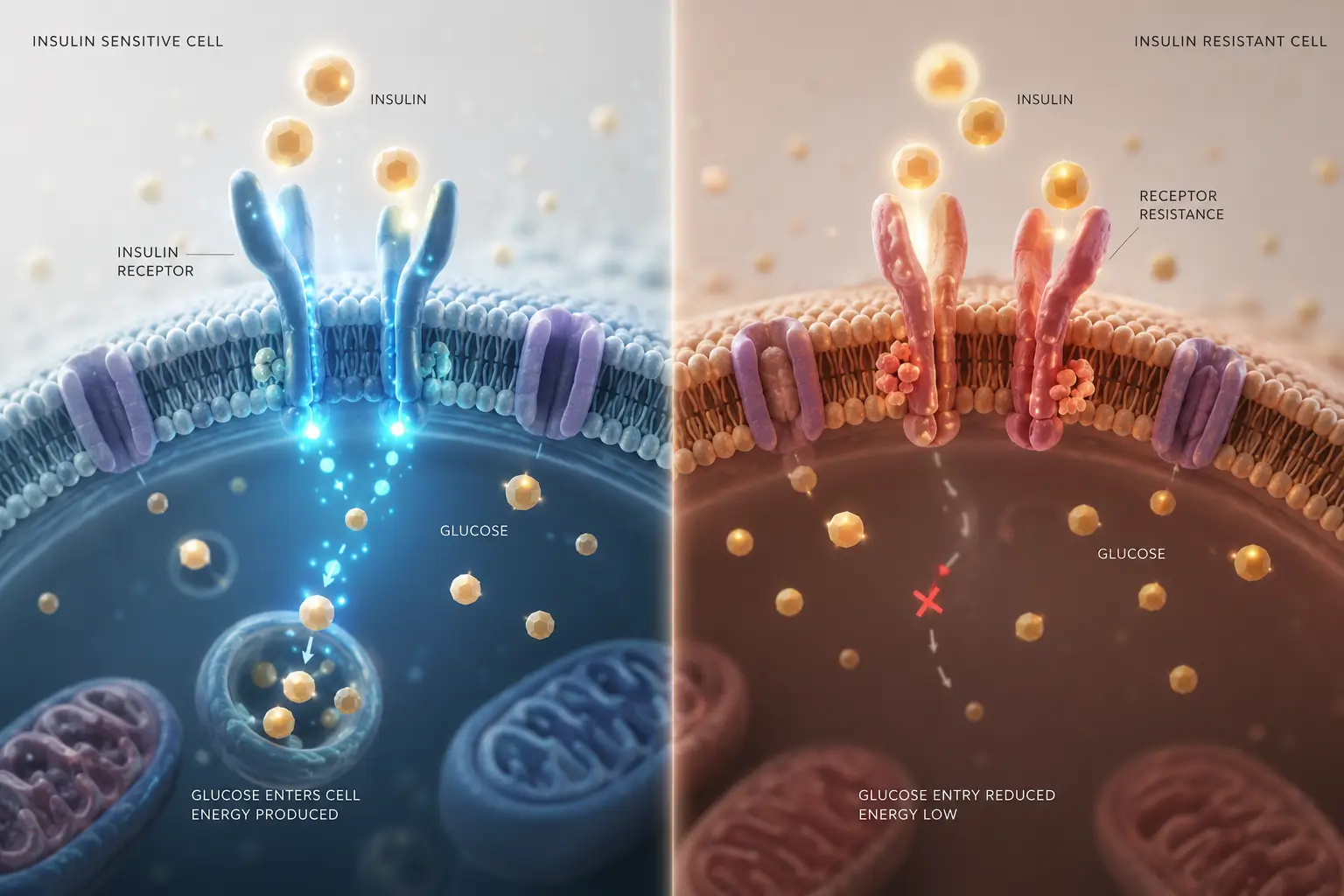
Berberine works differently. A 2004 study in Nature Medicine showed that it increases the number of LDL receptors on liver cells. These receptors pull LDL (“bad”) cholesterol out of the bloodstream. Berberine does this by making the instructions for building the receptor last longer inside the cell, a mechanism the authors described as distinct from statins.
Berberine also switches on AMPK, the cell's energy sensor, which reduces how much new fat and cholesterol the liver makes. That is one reason trials often report lower triglycerides as well as lower cholesterol.
What the trials found
In the same 2004 study, 32 people with high cholesterol took berberine for three months. Their total cholesterol fell by 29%, triglycerides by 35% and LDL cholesterol by 25%.
A larger placebo-controlled trial, published in the Journal of Clinical Endocrinology & Metabolism in 2008, gave 1,000 mg of berberine a day for three months to adults with type 2 diabetes and abnormal blood fats. Compared with placebo, triglycerides, total cholesterol and LDL cholesterol all fell significantly, alongside blood sugar.
A 2013 review in Planta Medica pooled 11 randomised trials with 874 participants. It found that berberine lowered total cholesterol, LDL cholesterol and triglycerides, with a small rise in HDL (“good”) cholesterol, and no serious side effects reported. The authors also noted that the methodological quality of the trials was generally low.
Where the evidence stops
Statins have something berberine does not: large, long trials showing fewer heart attacks and strokes, not just better blood tests. Berberine's trials were short, mostly three months, and measured cholesterol levels rather than heart outcomes.
- If you have been prescribed a statin, keep taking it. Do not swap it for berberine.
- If you want to add berberine to a statin or any other medicine, ask your doctor first.
- Berberine is a supplement for people working on their numbers, not a treatment for heart disease.
Who it may suit
The people the trials most resemble are adults with borderline or mildly raised cholesterol or triglycerides, often alongside raised blood sugar, who have not been prescribed medication and are working on diet and activity. For them, berberine is a reasonable thing to discuss with a doctor.
It is not suitable in pregnancy or breastfeeding, and anyone on regular medicine should check first: berberine changes how the liver processes a number of common drugs.
What you take should match what was tested
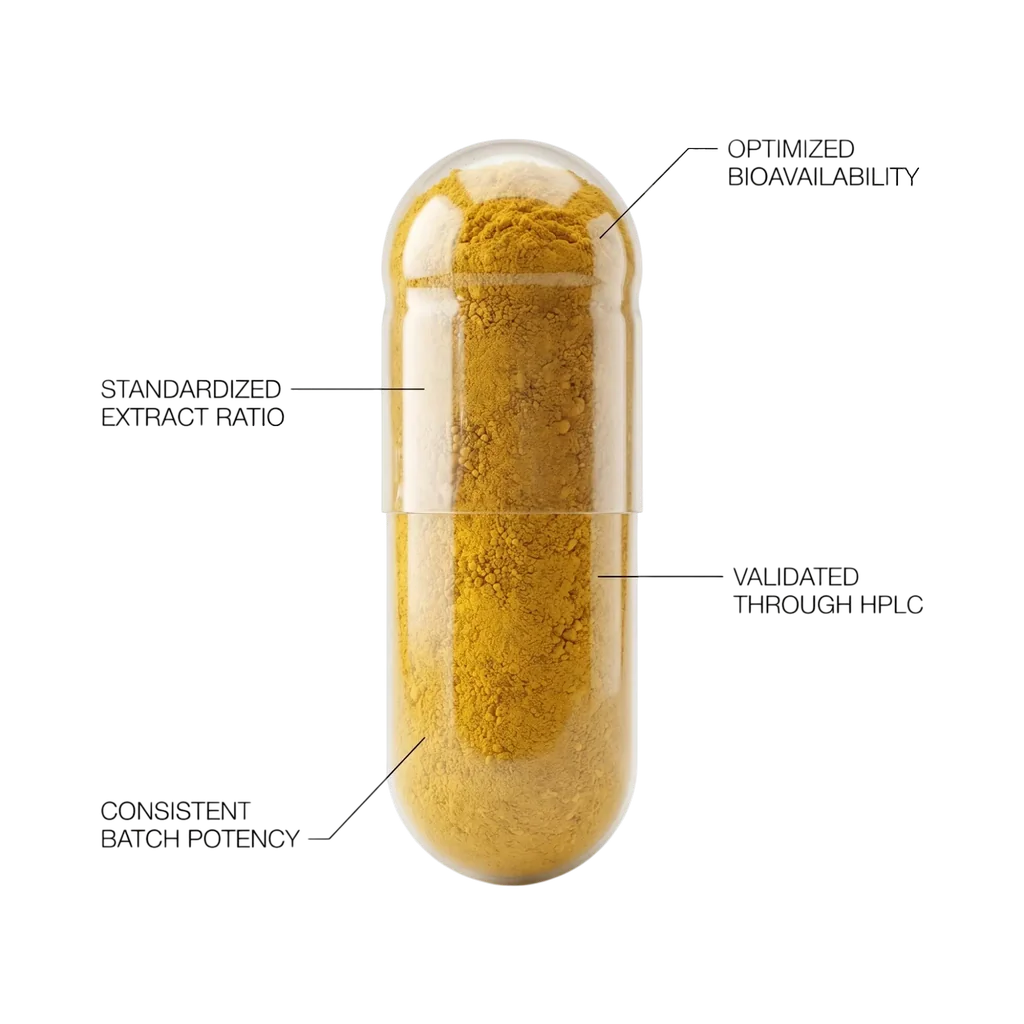
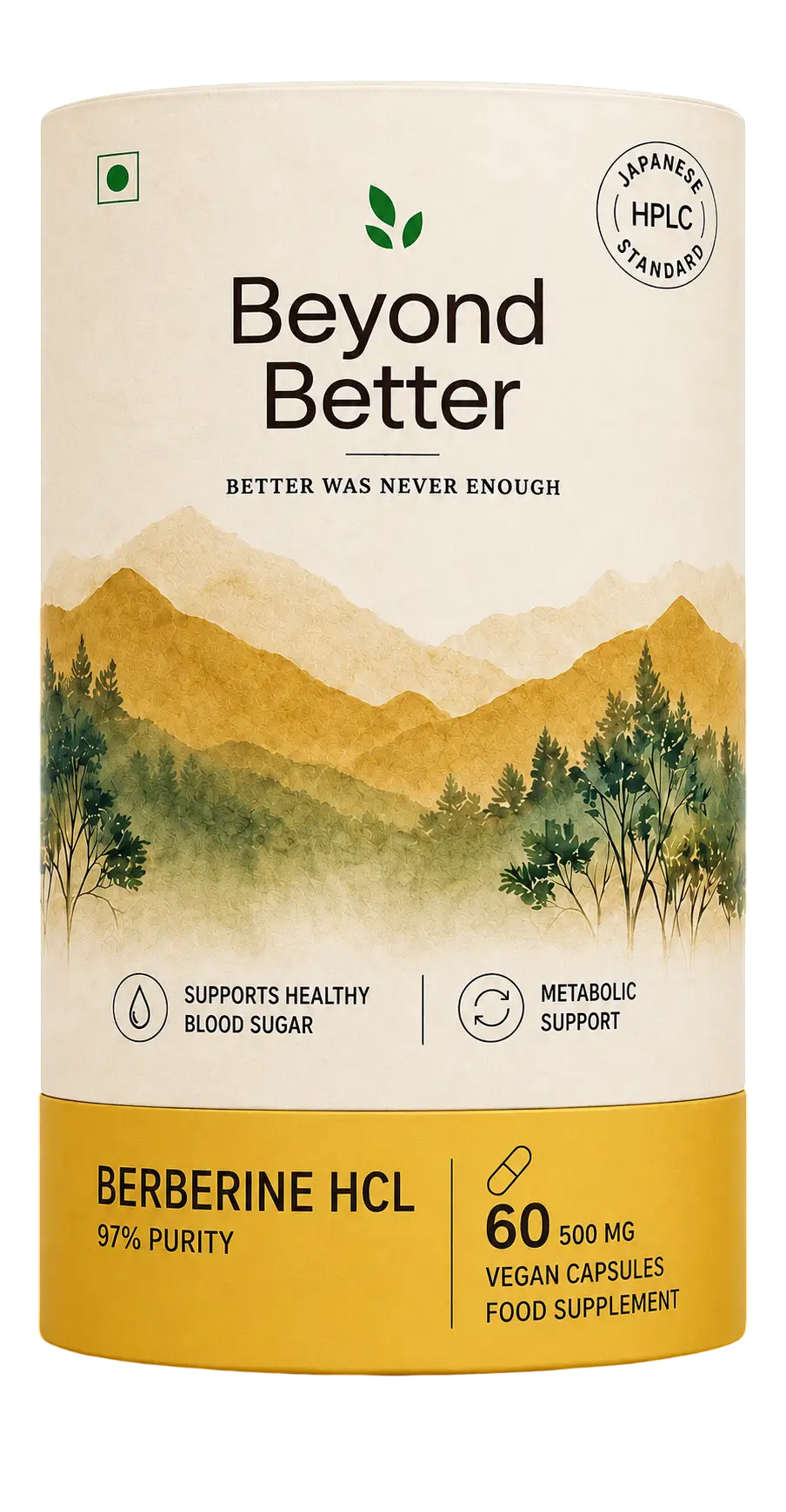
The trials gave a defined dose of berberine. A supplement label may give the weight of an extract instead, and say nothing about how much of it is berberine or what else came with it from the farm.
Check any product for these five things before you buy.
How to try it sensibly
Have a full lipid profile first: total cholesterol, LDL, HDL and triglycerides. If your doctor agrees, take 500 mg with breakfast and 500 mg with dinner, the dose used in the 2008 placebo-controlled trial, and repeat the same test after about three months.
The bottom line
Berberine lowered LDL cholesterol and triglycerides in short clinical trials, through a liver mechanism that statins do not use. It is a reasonable option to discuss if your numbers are drifting and you are not on medication, but it is not a replacement for a statin, and its long-term effect on heart health has not been tested.
Reader questions
Can berberine lower cholesterol?
In short clinical trials, yes. A 2004 study found three months of berberine lowered LDL cholesterol by 25% and triglycerides by 35%, and a 2013 review of 11 trials confirmed lower cholesterol and triglycerides.
Can I take berberine instead of a statin?
No. Statins have long-term evidence of preventing heart attacks and strokes; berberine does not. Any change to a prescribed medicine must be made with your doctor.
Can I take berberine with a statin?
Only with your doctor's agreement. Berberine affects how the liver processes a number of medicines, so your doctor needs to check it against what you take.
How long does berberine take to lower cholesterol?
The trials measured results after about three months. Repeat your lipid profile at around 12 weeks to see whether it has worked for you.
Sources
- Kong W et al. — Berberine is a novel cholesterol-lowering drug working through a unique mechanism distinct from statins. Nature Medicine, 2004.
- Zhang Y et al. — Treatment of type 2 diabetes and dyslipidemia with the natural plant alkaloid berberine. Journal of Clinical Endocrinology & Metabolism, 2008.
- Dong H, Zhao Y, Zhao L, Lu F — The effects of berberine on blood lipids: a systemic review and meta-analysis of randomized controlled trials. Planta Medica, 2013.
- Anjana RM et al. — Metabolic non-communicable disease health report of India: the ICMR-INDIAB national cross-sectional study. Lancet Diabetes & Endocrinology, 2023.
- Kim WS et al. — Berberine improves lipid dysregulation in obesity by controlling central and peripheral AMPK activity. American Journal of Physiology — Endocrinology and Metabolism, 2009.
- Guo Y et al. — Repeated administration of berberine inhibits cytochromes P450 in humans. European Journal of Clinical Pharmacology, 2012.