PCOS Is Often Treated as a Hormone Problem. Researchers Increasingly See Insulin at Its Core
Irregular cycles, acne, weight that will not shift: the visible signs of PCOS are hormonal. But for many women, the driver underneath is metabolic. What that means for managing it — and what the research on berberine does and does not show.
For many women, the story goes like this. Periods that were never quite regular. Acne that outlasted the teenage years. Weight that crept on around the middle and would not come off, however carefully they ate. Then an ultrasound, a diagnosis — polycystic ovary syndrome — and advice to “lose some weight”.
That advice is not wrong, but it often comes without the explanation that makes it make sense. For a large share of women with PCOS, the hormonal symptoms sit on top of a metabolic problem: insulin resistance.
A common condition that often goes unnoticed
The World Health Organization estimates that PCOS affects 8–13% of women of reproductive age, and that up to 70% of those affected remain undiagnosed. It is diagnosed from a combination of irregular or absent ovulation, signs of higher male-type hormones such as excess hair growth or acne, and the appearance of the ovaries on ultrasound — not every woman has all three.
Where insulin comes in
A majority of women with PCOS have measurable insulin resistance — and this is true even in many who are not overweight. When cells respond poorly to insulin, the pancreas produces more of it.
That extra insulin has effects beyond blood sugar. It stimulates the ovaries to produce more androgens, the male-type hormones behind acne and excess hair. It also reduces the liver’s production of a protein called SHBG, which normally keeps those hormones in check. The result is more active androgen in circulation, which disrupts ovulation.
In other words, for many women the visible symptoms of PCOS are downstream of insulin. Address the insulin, and several symptoms can improve together.
Address the insulin, and several symptoms can improve together.
What helps first
International guidelines put lifestyle first for most women with PCOS, because it works on the insulin problem directly. Even a modest weight loss of around 5% can improve cycles and hormone levels in women who carry extra weight.
- Regular movement, including strength training, which improves insulin sensitivity in muscle.
- Meals built around protein, vegetables and fibre, with refined carbohydrates reduced.
- Consistent sleep and stress management, which affect insulin and cortisol.
- Regular check-ups: women with PCOS have a higher risk of type 2 diabetes later in life.
What the berberine research shows
Because PCOS so often involves insulin resistance, it is a natural place to study berberine. One of the key trials, published in the European Journal of Endocrinology in 2012, compared berberine with metformin — the medicine most often prescribed for the metabolic side of PCOS — in women with PCOS and insulin resistance over three months.
Both improved insulin resistance. Berberine produced larger reductions in waist size and waist-to-hip ratio, and larger improvements in several blood lipids, than metformin. A 2020 review in Archives of Gynecology and Obstetrics concluded that berberine is a promising option for the metabolic features of PCOS, while calling for more and larger trials.
That last point matters. The evidence is encouraging but still limited in size and length, and berberine is not a treatment for PCOS itself. It is a supplement that may support the metabolic side of the condition, alongside the steps above and your doctor’s care.
Important: pregnancy and fertility
Berberine should not be taken during pregnancy or while breastfeeding. If you are trying to conceive or undergoing fertility treatment, speak to your doctor before taking it. It can also interact with other medicines, so mention it to anyone prescribing for you.
If you try berberine, know exactly what you are taking
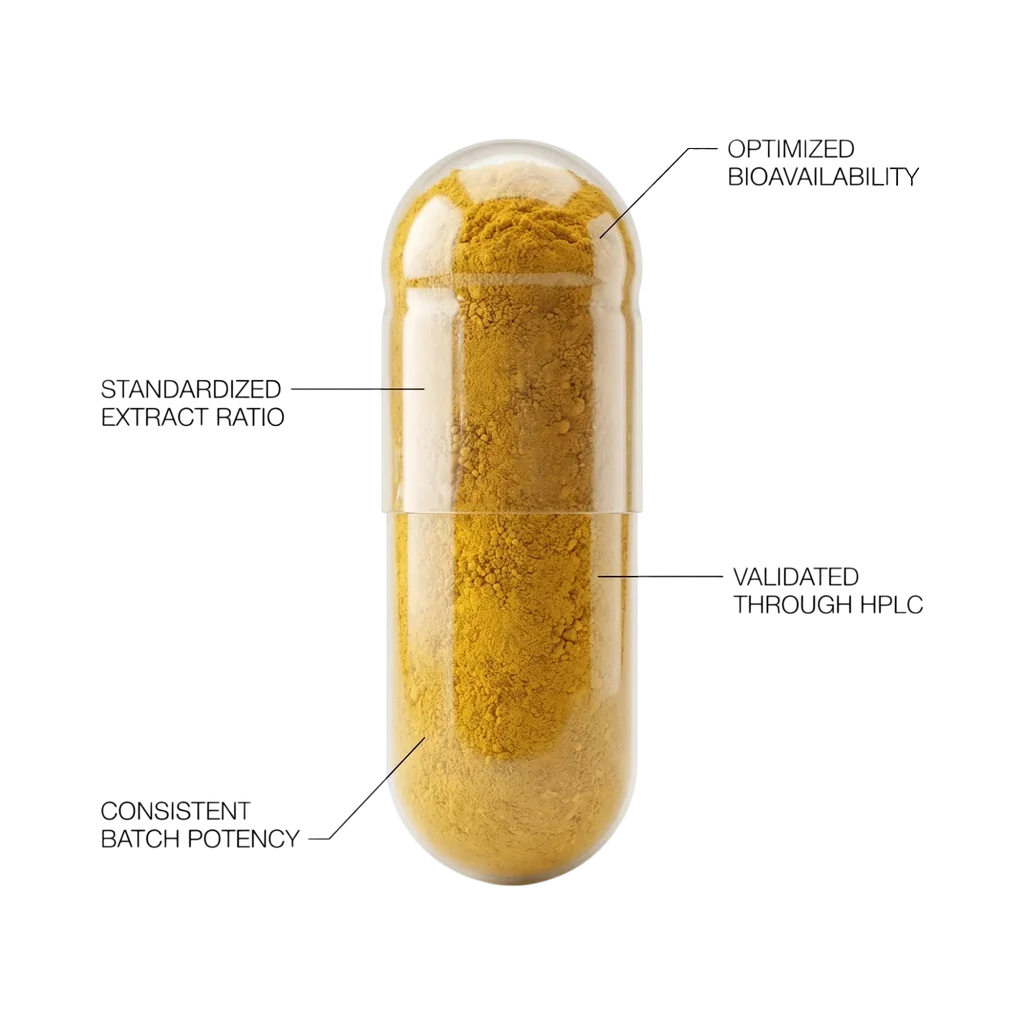
Women managing PCOS are often sold a lot of supplements, and very few of them are tested in any meaningful way. Berberine is extracted from a farmed root; the amount of active compound, and the presence of pesticide residues or heavy metals, varies between products.
If you are going to take something daily for months, you should be able to read its lab report first. Here is what to check.
How it was taken in the research
In PCOS studies, berberine was typically taken as 500 mg two or three times a day with meals, over about three months. Taking it with food reduces the digestive upset some people notice in the first week or two.
Track what matters to you — cycle regularity, waist size, and blood markers such as fasting insulin and lipids — and review them with your doctor after three months.
The bottom line
For many women, PCOS is as much a metabolic condition as a hormonal one, and insulin is the thread connecting its symptoms. Lifestyle change is the foundation. Berberine has encouraging early evidence for supporting the metabolic side of PCOS — as long as pregnancy is ruled out, your doctor is involved and the product is one you can verify.
Reader questions
Can berberine help with PCOS?
Clinical trials suggest it can support the metabolic side of PCOS, such as insulin resistance and waist size. It is not a treatment for PCOS itself, and it should be used alongside lifestyle change and medical care.
Is berberine safe during pregnancy?
No. It is not recommended during pregnancy or breastfeeding. If you are trying to conceive, speak to your doctor first.
Can I take berberine with the pill or metformin?
Berberine can interact with some medicines, and it adds to metformin’s blood-sugar-lowering effect. Check with your doctor before combining them.
Sources
- World Health Organization — Polycystic ovary syndrome: fact sheet. World Health Organization, 2023.
- Wei W et al. — A clinical study on the short-term effect of berberine in comparison to metformin on the metabolic characteristics of women with polycystic ovary syndrome. European Journal of Endocrinology, 2012.
- Rondanelli M et al. — Polycystic ovary syndrome management: a review of the possible amazing role of berberine. Archives of Gynecology and Obstetrics, 2020.
- Teede HJ et al. — Recommendations from the 2023 international evidence-based guideline for the assessment and management of polycystic ovary syndrome. Fertility and Sterility, 2023.
More from the Journal

The Blood Test Most People Are Never Offered — and Why It Can Flag Trouble Years Before Your Sugar Rises

Eating Less but the Weight Won’t Move? Researchers Point to a Hormone Most Diets Ignore