Berberine Price in India: How to Work Out What You Are Really Paying For
Two tubs can both say “berberine” and differ several times over in price. The price on the tub tells you very little. The cost of a daily dose, how much berberine is in each capsule, and the testing behind it tell you most of what you need.
Shopping for berberine in India means choosing between pharmacy listings, imported brands and Indian labels, at prices that vary enormously. Comparing them by the price on the tub is the most common mistake, because tubs differ in capsule count, in dose, and in how much berberine each capsule actually holds.
Here is a simple way to compare any two products fairly. We use our own prices in the worked example, so you can check the maths.
Step one: work out the cost per day
Clinical trials used 1,000 to 1,500 mg of berberine a day, so the useful number is what one day at that dose costs, not what one tub costs. The sum is: price of the tub, divided by the number of capsules, multiplied by the capsules you take a day.
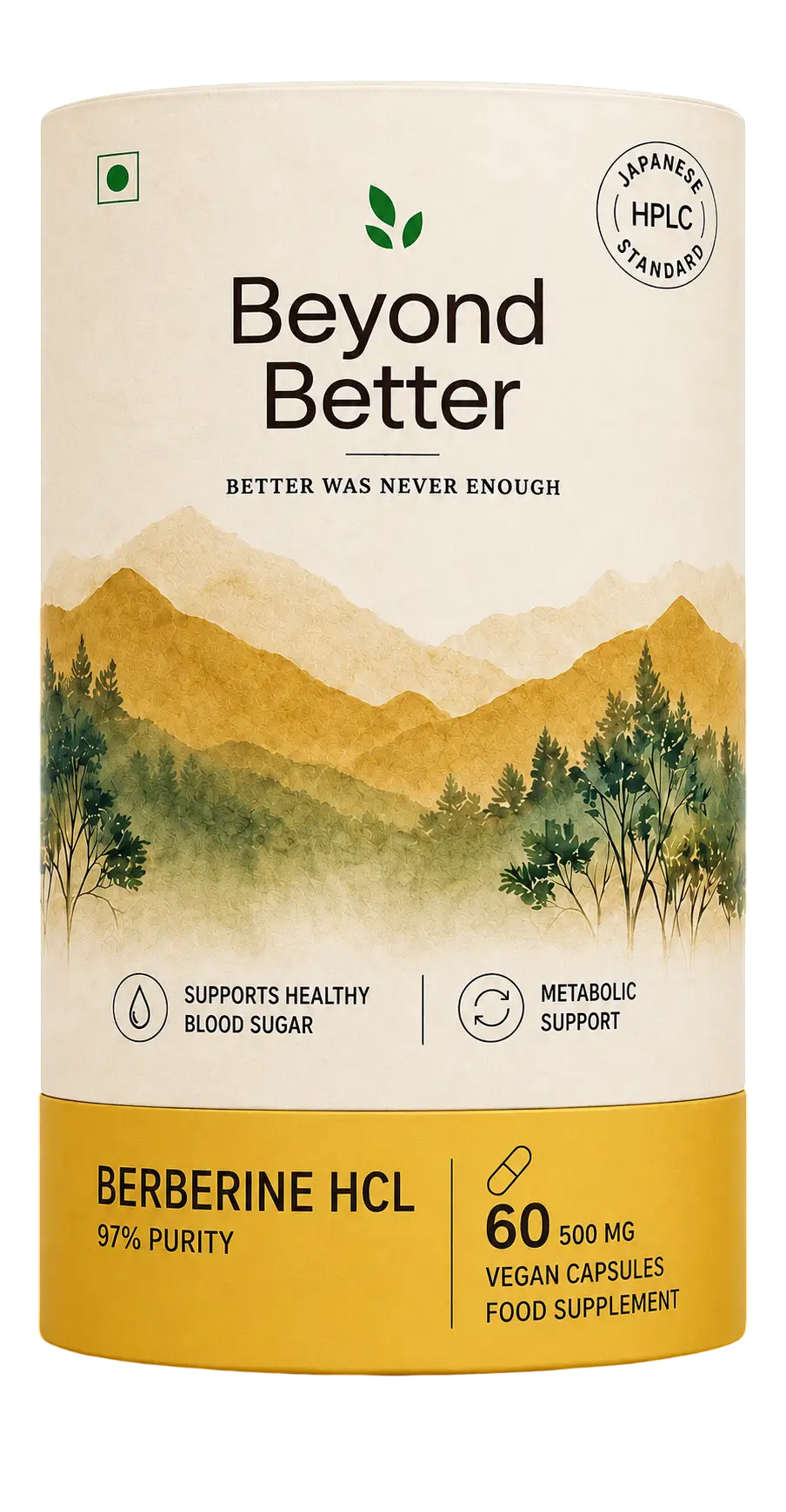
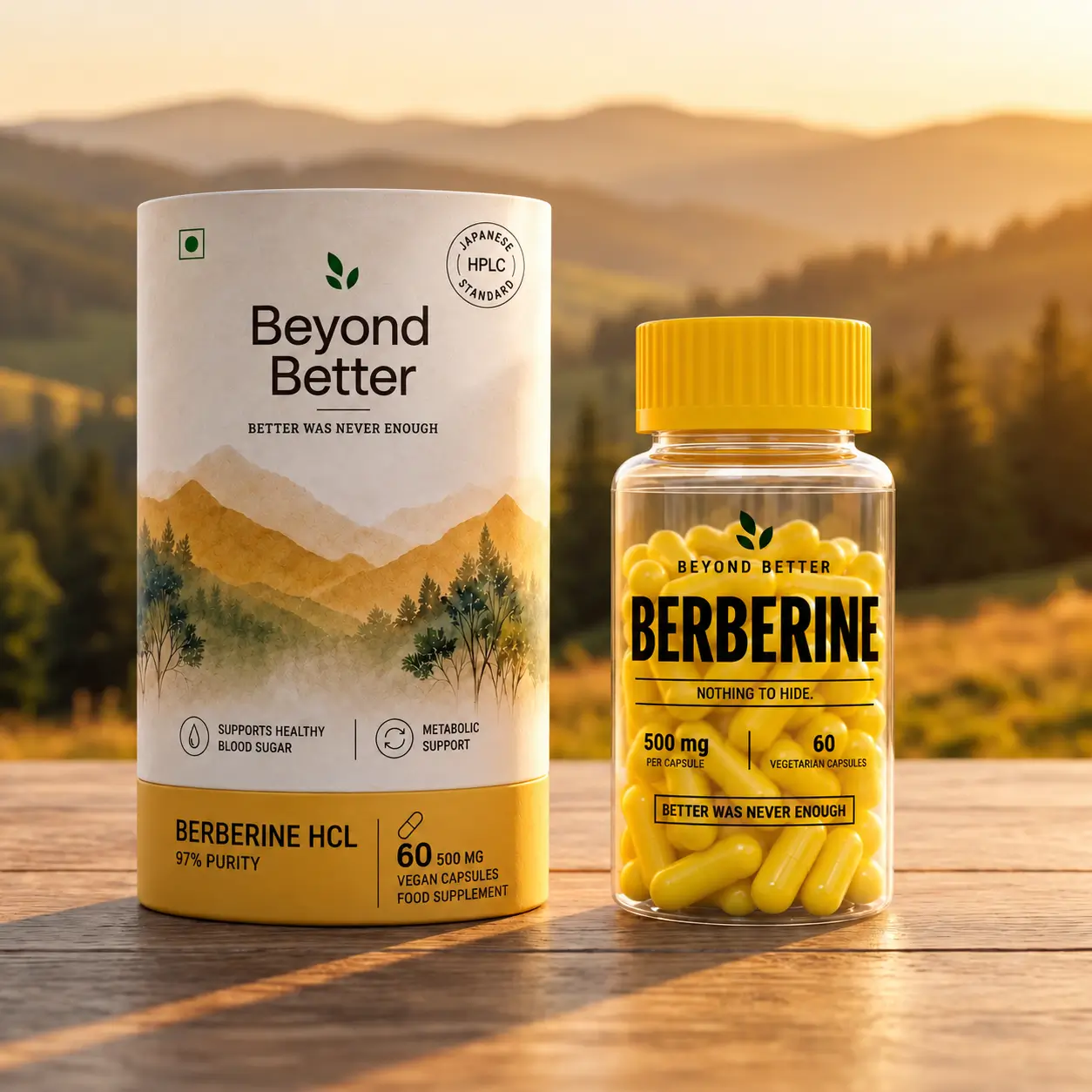
For example, a tub of 60 capsules of 500 mg at ₹999, taken two a day, costs about ₹33 a day. Bought as a pack of 3 for ₹2,547, the same dose costs about ₹28 a day.
Do the same sum for any product you are considering, at the same daily dose. A tub that looks cheaper often turns out to hold fewer capsules, or a lower dose per capsule.
The useful number is what one day costs, not what one tub costs.
Step two: check what the 500 mg actually is
A label that says “500 mg” may mean 500 mg of berberine, or 500 mg of a plant extract that contains some berberine. Those are very different things. An extract standardised to 10% berberine, for example, gives you 50 mg of berberine in a 500 mg capsule, a tenth of what the number suggests.
Look for the amount of berberine, or berberine HCl, per capsule, and the purity it was tested to. If a label gives only the weight of an extract of Berberis aristata, without a berberine percentage, you cannot compare it with the doses used in trials.
Step three: watch for blends
Many products on Indian shelves combine berberine with other ingredients, such as karela, jamun, fenugreek, milk thistle or turmeric. A blend is not necessarily worse, but the berberine in each capsule is usually less than in a single-ingredient product, and the other ingredients have their own doses and evidence.
If you want berberine at the doses studied, compare the berberine content per day, not the total capsule weight.
Step four: ask what testing the price includes
Berberine is extracted from a farmed root. World Health Organization guidelines for herbal products set out the contaminants such material should be checked for: pesticide residues, heavy metals and microbes. None of these show up on a label, and testing for them costs money, which is one honest reason prices differ.
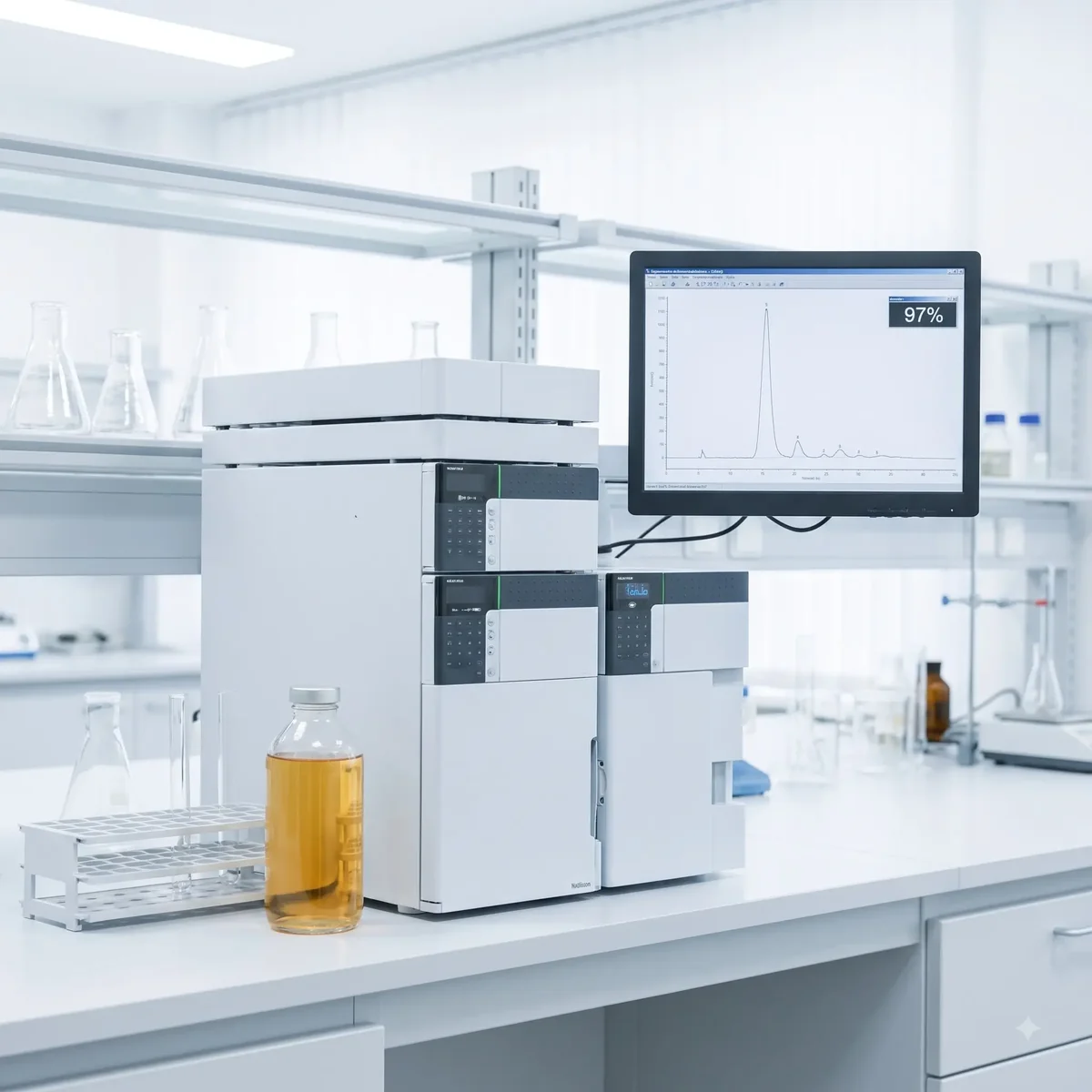
A product worth paying more for can show you a recent lab report for the batch you are buying: the purity result, and the contaminant results, from an independent lab.
- Purity: how much berberine the batch actually contains, measured by HPLC.
- Pesticides: how many residues were screened for, and the results.
- Heavy metals: lead, mercury, cadmium and arsenic.
- Microbiology: bacteria, yeast and mould.
The cheapest tub is not the cheapest dose
Once you have the cost per day at a real dose, and know how much berberine is in each capsule and what was tested, most products sort themselves out quickly.
These are the five checks we would apply to any berberine, including ours.
A quick comparison you can do on your phone
Write down, for each product: price, number of capsules, berberine per capsule, and whether a batch lab report is published. Divide price by capsules, multiply by the number you would take a day, and you have the real cost. Then check the lab report. That takes five minutes and avoids most bad buys.
The bottom line
Compare berberine by the cost of a daily dose of actual berberine, not by the price of the tub. Check whether the 500 mg is berberine or extract, whether it is a blend, and whether you can read the lab report for the batch. A fair price is one where all three answers are clear.
Reader questions
What is a fair price for berberine in India?
Work it out per day rather than per tub: price divided by capsules, multiplied by the capsules you take a day at 1,000–1,500 mg of berberine. Then check whether a batch lab report is published.
Is more expensive berberine better?
Not automatically. Price is worth paying for when it buys a clear berberine dose per capsule and published lab results for purity and contaminants.
Why are some berberine products so cheap?
Common reasons are fewer capsules per tub, a lower berberine content per capsule, an extract rather than berberine itself, a blend with other ingredients, or no independent testing.
What is the difference between berberine HCl and Berberis aristata extract?
Berberine HCl is berberine itself, in a stable salt form. “Berberis aristata extract” on a label can mean anything from a crude extract with little berberine to highly purified berberine, so look for the berberine percentage and the lab result that backs it.
Sources
- Yin J et al. — Efficacy of berberine in patients with type 2 diabetes mellitus. Metabolism, 2008.
- Zhang Y et al. — Treatment of type 2 diabetes and dyslipidemia with the natural plant alkaloid berberine. Journal of Clinical Endocrinology & Metabolism, 2008.
- WHO guidelines for assessing quality of herbal medicines with reference to contaminants and residues. World Health Organization, 2007.
- USP General Chapter <561> Articles of Botanical Origin. United States Pharmacopeia, 2023.
More from the Journal
The ‘500 mg’ on Your Supplement Label Might Not Mean What You Think
‘Lab Tested’ Means Less Than You Think. Three Questions That Reveal Whether a Supplement Was Really Tested