Six Short Nights: The Sleep Study That Showed How Fast Your Metabolism Can Slip
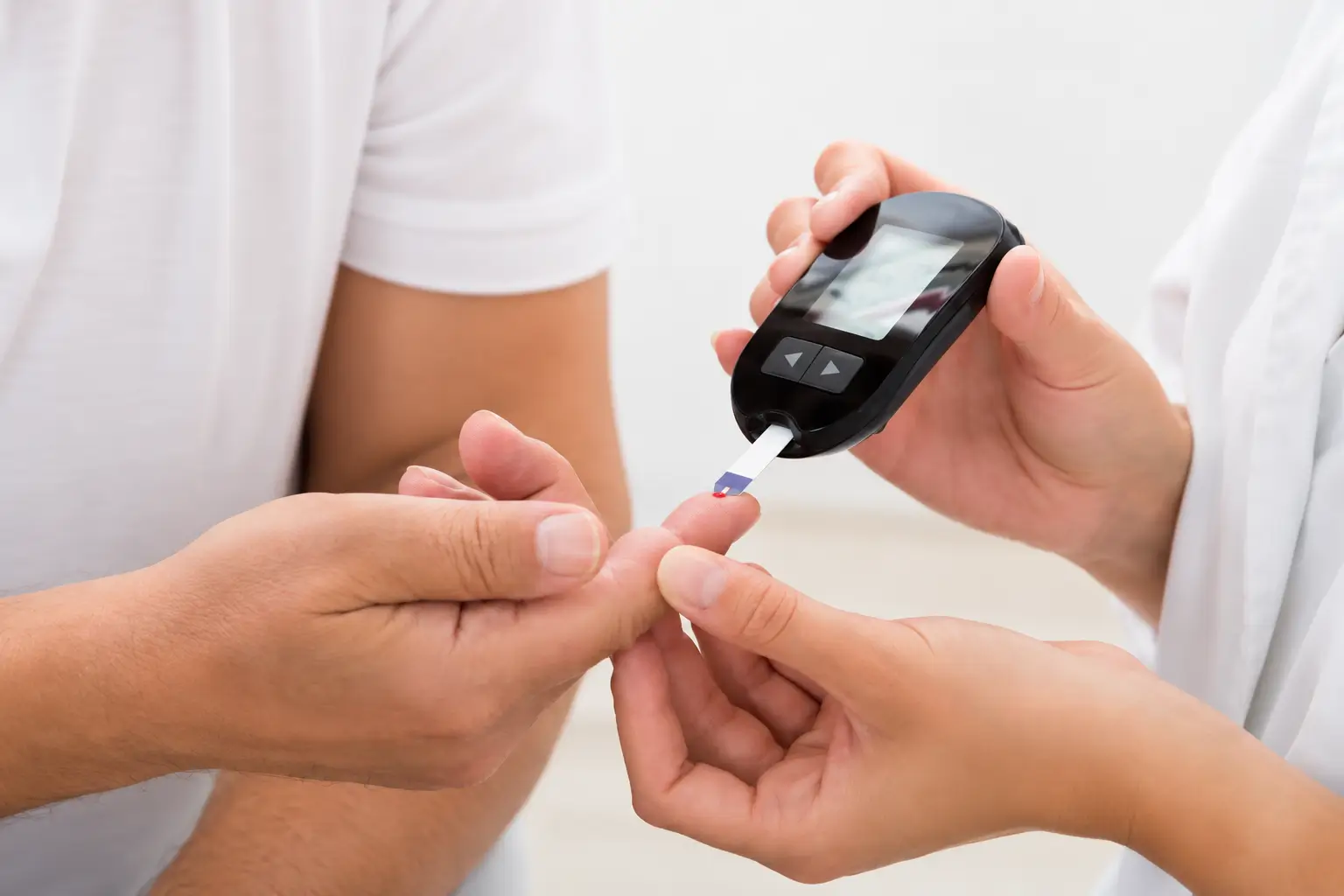
In 1999, researchers limited healthy young men to four hours in bed for six nights. Their bodies handled sugar noticeably worse within a week — and recovered once they slept again. What that means for your metabolism, and what no supplement can fix.

We treat sleep as the first thing to sacrifice. A late deadline, a match that runs past midnight, an early flight — five or six hours will do, we tell ourselves, and we will catch up at the weekend.
A small study published in The Lancet in 1999 suggests your metabolism keeps a stricter account. And it keeps it faster than most people would guess.
The experiment
Researchers at the University of Chicago brought eleven healthy young men into a sleep laboratory. For six nights they were allowed only four hours in bed. For the following six nights they could sleep up to twelve.
At the end of the short-sleep week, the men’s bodies cleared glucose from the blood noticeably more slowly, and their hormone profiles shifted in unhelpful directions, including higher evening levels of the stress hormone cortisol. After the recovery week, those changes largely reversed.
These were young, healthy men, and it took less than a week. The study has since been followed by many others that point in the same direction: short or broken sleep makes the body worse at handling sugar.
These were young, healthy men, and it took less than a week.
Why a tired body handles sugar worse
Several things change at once. Cortisol, which raises blood sugar, stays higher into the evening. Cells become less responsive to insulin. And appetite hormones tilt towards hunger, which is why a short night is so often followed by a day of snacking.
The depth of sleep matters as well as the length. In a 2008 study in PNAS, researchers selectively suppressed deep, slow-wave sleep in healthy adults without shortening their total sleep. Their insulin sensitivity fell markedly — a finding that matters because deep sleep tends to decline with age, alcohol, late meals and stress.
The late-dinner problem
Timing matters too. Your body clock prepares you to handle food during the day, and tolerance for a large carbohydrate-rich meal tends to be lower late at night. A heavy dinner at 10.30 p.m. followed by bed is one of the most common patterns behind high morning glucose.
What actually helps
The fixes are not glamorous, but they are the ones with evidence:
- Keep a consistent wake-up time, including at weekends.
- Eat your last large meal at least two to three hours before bed.
- Get daylight in the morning and dim the lights and screens in the last hour before sleep.
- Go easy on alcohol, which fragments deep sleep even when it helps you fall asleep.
- If you snore heavily or wake unrefreshed, ask a doctor about sleep apnoea, which is common and treatable.
What no supplement can do
It is worth being blunt: no supplement replaces sleep. Berberine will not make up for a week of four-hour nights, and anyone suggesting otherwise is overselling.
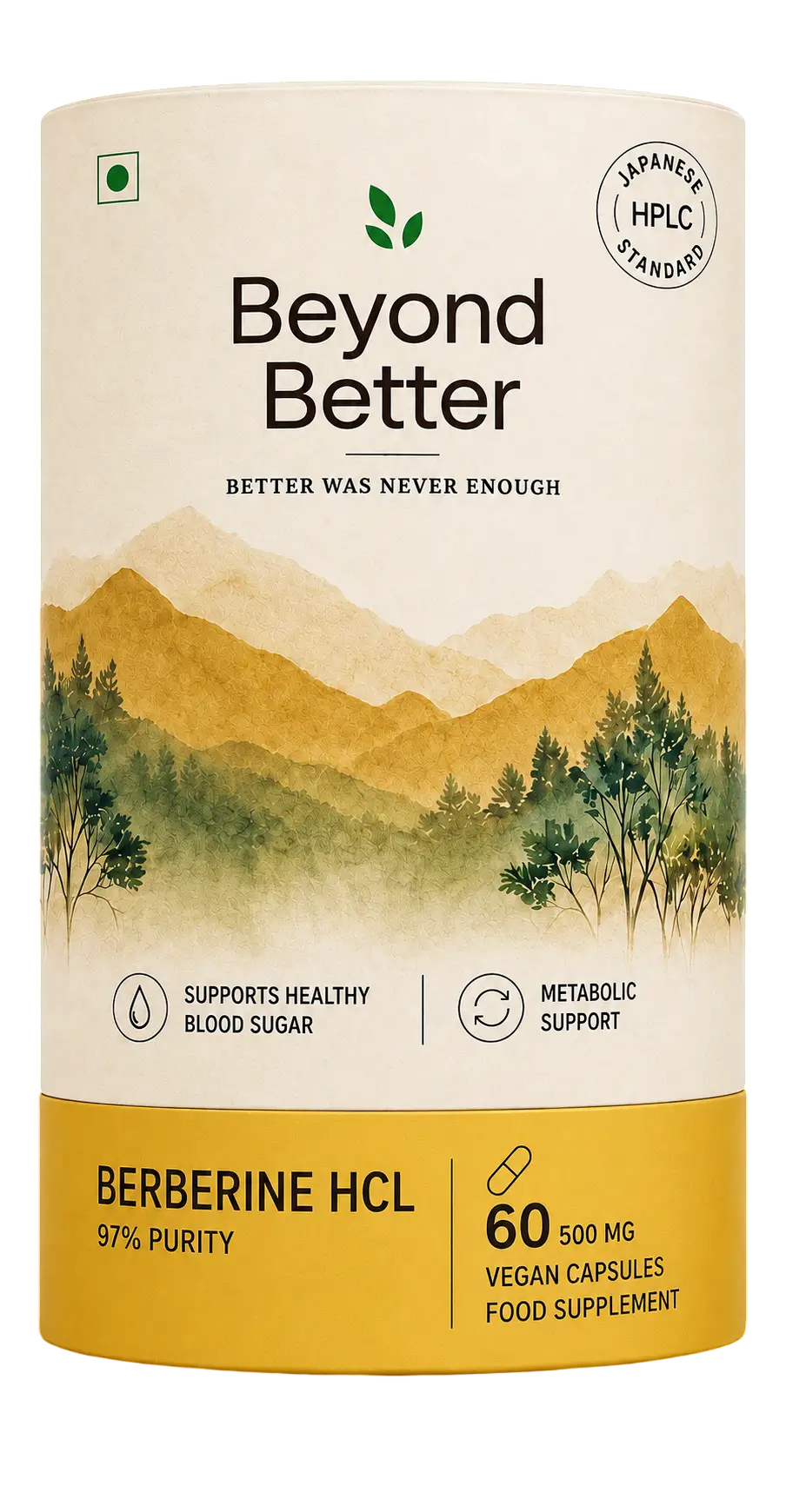
Where berberine does have evidence is in the metabolic machinery that poor sleep strains — insulin sensitivity and the liver’s glucose output — through its effect on AMPK, the cell’s energy sensor. For someone already fixing their sleep and working on their blood sugar, it can support that recovery. It is a supporting act, not the lead.
If you add a supplement to the routine, choose one you can verify
If you and your doctor decide berberine makes sense for your blood sugar, remember that it is a plant extract made from a farmed root. The amount of active berberine in a capsule, and what else came with it from the field, varies between products — and none of it is visible from the label.
A lab report for the batch is the only way to know. Here is what to look for.
Fitting it into the evening
Berberine is best taken with meals — commonly 500 mg with breakfast and 500 mg with dinner. If you are moving dinner earlier as part of better sleep, simply move the evening dose with it.
The bottom line
Sleep is one of the fastest-acting influences on your metabolism: a single short week can measurably worsen how your body handles sugar, and good sleep reverses it. Fix the sleep first. If you then add berberine to support your blood sugar, choose one whose testing you can read.
Reader questions
Can supplements make up for poor sleep?
No. Sleep restores the body in ways no compound replicates. Supplements such as berberine work best when sleep is also being addressed.
Should I take berberine at night?
Take it with meals rather than at bedtime. If dinner is your evening meal, take the second dose with dinner.
Sources
- Spiegel K, Leproult R, Van Cauter E — Impact of sleep debt on metabolic and endocrine function. The Lancet, 1999.
- Tasali E et al. — Slow-wave sleep and the risk of type 2 diabetes in humans. Proceedings of the National Academy of Sciences, 2008.
- Lee YS et al. — Berberine, a natural plant product, activates AMP-activated protein kinase with beneficial metabolic effects. Diabetes, 2006.
More from the Journal

The Blood Test Most People Are Never Offered — and Why It Can Flag Trouble Years Before Your Sugar Rises

That 3 p.m. Brain Fog Might Not Be About Sleep. Researchers Are Looking at Your Blood Sugar